Public Comments on Lowering Voting Age and Ranked Choice Voting
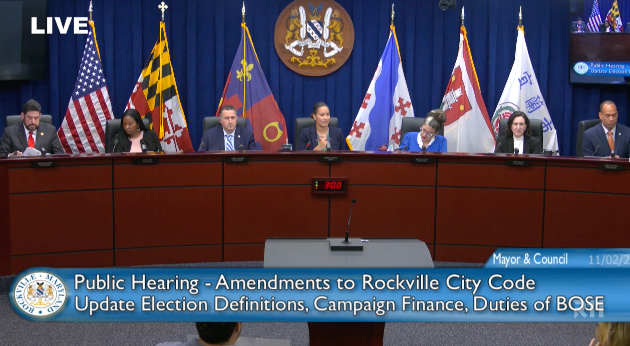
Rockville residents have another opportunity to weigh in on significant changes to the city’s elections at a public hearing on Monday, November 9, 2026, at 7 p.m. The proposals include allowing 16- and 17-year-olds to vote in municipal elections, establishing term limits for the Mayor and Council, and updating election procedures. A longer-term proposal would introduce ranked-choice voting and public campaign financing beginning in 2031.
The Mayor and Council held their first public hearings on November 2, when residents and advocates expressed sharply different views about lowering the voting age.
What Changes Are Being Proposed?
The Mayor and Council are considering amendments to Chapter 8 of the Rockville City Code, which governs municipal elections, along with three amendments to the City Charter.
The principal proposals include:
- Lowering the voting age to 16. Rockville residents ages 16 and 17 would be permitted to register and vote in municipal elections.
- Establishing term limits. The Mayor and Councilmembers would be limited to four consecutive four-year terms, or 16 consecutive years in office.
- Setting a minimum age for elected officials. Although 16- and 17-year-olds could vote, candidates for Mayor and Council would have to be at least 18 years old.
- Improving election administration. Changes would update campaign finance and enforcement provisions, clarify the responsibilities of the Board of Supervisors of Elections, add a third outdoor ballot drop box, and permit electronic petition signatures.
- Preparing for additional reforms in 2031. The proposed legislation outlines potential changes involving ranked-choice voting, public campaign financing, and rotating the order of candidates’ names on ballots. These would require further legislative and administrative action before implementation.
The proposals follow recommendations from Rockville’s Charter Review Commission and discussions with the Board of Supervisors of Elections. They also address administrative issues identified during the 2023 municipal election.
Residents Divided Over Lowering the Voting Age
Most of the public testimony on November 2 focused on whether 16- and 17-year-olds should be allowed to vote.
Continue reading →Rockville Council to Consider Election Reforms, Affordable Housing, and Traffic Safety
At its Monday, November 2, 2026, meeting, the Rockville Mayor and Council will consider changes to municipal elections, financial assistance for two affordable housing developments, and projects to improve transportation and pedestrian safety. The meeting begins at 5:30 p.m., with public hearings on election reforms scheduled for 7:30 p.m.
Preview of the November 2, 2026 Rockville Council Meeting
Election Reform: Voting at 16 and Term Limits
Public Hearings | 7:30 p.m.
Rockville residents will have an opportunity to comment on proposed changes to the city’s election laws, including allowing 16- and 17-year-olds to vote in municipal elections and limiting elected officials to four consecutive four-year terms (16 years!). Candidates would still need to be at least 18 years old. Other amendments would update campaign finance rules, enforcement procedures, and the responsibilities of the Board of Supervisors of Elections. A second public hearing is scheduled for November 9, with a possible Council vote on November 16.
Analysis: Lowering the voting age could encourage young residents to become involved in local government and establish voting habits early in life. However, opponents may question whether teenagers have sufficient experience and independence to make informed electoral decisions. Term limits could encourage new candidates and prevent incumbents from retaining office indefinitely, but they could also deprive the city of experienced leadership and reduce voters’ choices. Administrative improvements could strengthen election oversight, although implementation may increase costs. The proposed reforms deserve careful consideration because they would fundamentally change Rockville’s electoral system.
Affordable Housing: Two Proposals, Different Financial Challenges
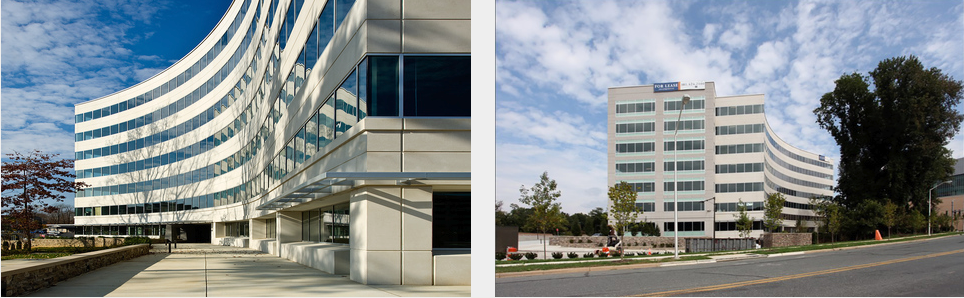
Twinbrook Place: $1.5 Million City Loan for 125 Affordable Apartments
Action Item | 8:20 p.m.
The Council will consider providing a $1.5 million loan from the Housing Opportunities Fund to convert an underused office building at 12501 Ardennes Avenue into 125 affordable apartments. All units would serve households earning no more than 80% of the area median income, including 48 units for households earning 50% or less. The proposed loan carries a 3% annual interest rate over 40 years. The city would also cover up to $330,000 in development fees.
Continue reading →Rockville’s Housing Problem Isn’t Just Zoning: ADUs, Prefab Homes, and the Cost of Building

Rockville’s Mayor and Council meets Monday, October 12, 2026, with housing dominating much of the agenda. The city will review its homeownership assistance program, consider converting most of the Sheraton Hotel in King Farm into apartments, and spend an hour discussing how to make accessory dwelling units and other forms of small-scale housing easier to build. (Rockville Agenda 2026-10).
Taken together, these discussions point to a larger problem: Rockville has already made some important zoning changes to allow more housing, but legalizing housing does not necessarily make it affordable to build. The homeownership numbers explain why this matters.
A $774,000 Median Home
According to the city, the median sales price of a Rockville home during the first half of 2026 was $774,258. Under the assumptions used in the staff report, a household would need an annual income of about $222,880 to afford that home—more than $80,000 above Rockville’s median household income of $142,536. Rockville Agenda Packet 2026-10…
Rockville’s Homeownership Assistance Program is intended to help first-time and first-generation buyers, as well as city employees, with down payments and closing costs. Demand has been strong. The city spent all $437,252 available in FY2026, making 14 loans, and all $250,000 available for FY2027 has already been spent or reserved. New applicants are being placed on a waiting list. Thirteen of the first 14 borrowers purchased Moderately Priced Dwelling Units rather than market-rate homes.
That tells us something important. Down-payment assistance can help individual households, but it cannot by itself solve a housing market in which many middle-income households cannot afford prevailing prices.
Increasing supply therefore matters—but so does figuring out how to create housing at a cost people can actually afford.
ADUs Are Legal. Now Comes the Hard Part.
Monday’s most important housing discussion may be the Mayor and Council worksession on Accessory Dwelling Units and Small-Scale Development.
Continue reading →Voting at 16, Term Limits, and a 32% Office Vacancy Rate: Rockville’s October 5 Agenda
Rockville’s Mayor and Council meets Monday, October 5, 2026 beginning at 5:30 p.m., with two issues likely to have long-term consequences: a substantial rewrite of the city’s election rules and a review of Rockville’s economic-development performance (warning: the first hour will be devoted to ten proclamations). The agenda also includes proposed Charter amendments that would lower the municipal voting age, establish a minimum age for elected officials, and impose consecutive-term limits. (City of Rockville)
Rockville’s Election Code Heads Toward a Major Rewrite
The Mayor and Council will introduce a substantial rewrite of Chapter 8 of the City Code, which governs municipal elections. The proposal addresses election administration, campaign finance, reporting and enforcement, voter assistance, electioneering, and responsibilities of the Board of Supervisors of Elections. Staff says the revisions respond partly to issues identified during the 2023 election and incorporate subsequent recommendations and Council direction. Public hearings are tentatively planned for October 26 and November 2. (Earlier background: “Historic Preservation, Election Rules, and State Priorities”)
Among the most significant changes:
- Individual contributions would be limited to $1,200 per candidate or campaign committee per election cycle, with the limit periodically adjusted for inflation. Contributions over $100 would have to be made by check or electronically.
- Transfers between candidate or campaign committees could reach $5,000, substantially more than the normal individual contribution limit.
- Campaign treasurers would be explicitly responsible for managing and recording contributions and expenditures, and candidates or committee members could not make expenditures without the treasurer’s knowledge.
- Late campaign reports could generate escalating penalties of $200, $300, and eventually $450 per day, up to a maximum of $7,500.
- The Board of Supervisors of Elections would have clearer authority to verify candidate eligibility, investigate possible violations, request documents, and issue notices of violation.
- Electioneering would be prohibited within 50 feet of vote-center entrances and exits and outdoor ballot drop boxes, and obstructing access to a drop box would be prohibited.
Historic Preservation, Election Rules, and State Priorities on Rockville Council’s September 14 Agenda
Rockville’s Mayor and Council meets Monday, September 14, 2026 beginning at 5:30 p.m. The first hour will be devoted largely to community recognitions and proclamations. The heavier policy work begins around 7 p.m., with the first significant Council actions scheduled for roughly 7:20 to 7:25 p.m. Several items deserve particular attention because they could shape Rockville well beyond Monday night.
Will Rockville Preserve 24 Martins Lane?
The most immediate decision concerns 24 Martins Lane, a property associated with the historically Black Haiti/Martins Lane community. The Mayor and Council will first hold a public hearing and then are scheduled to vote on whether to place the property in Rockville’s Historic District Overlay Zone. The Historic District Commission voted 4-1 to recommend designation, finding that the property met five of the city’s historic-designation criteria. The Planning Commission later found the designation consistent with the Comprehensive Plan.
The history here matters. The Haiti/Martins Lane community is one of Rockville’s oldest Black neighborhoods, with roots extending to about 1830, when free Black landowner Samuel Martin settled in the area. The neighborhood’s name reflects a broader African American identification with Haiti, whose successful revolution against slavery and declaration of independence in 1804 made it a powerful symbol of Black freedom and self-determination in the nineteenth century. The city’s analysis also identifies the property as representative of Rockville’s Black heritage and of early vernacular residential construction.
The timing also matters because demolition is contemplated. Historic designation would not freeze the property in time, but it would require Historic District Commission review of future exterior alterations and changes to the site. This is the kind of decision that forces Rockville to weigh several legitimate interests at once: preserving African American history, respecting private property, accommodating future development, and deciding what parts of the city’s physical history should remain visible.
Rockville’s Election Rules Are Heading Toward a Rewrite
Later in the evening, the Mayor and Council will hold a worksession on a substantial rewrite of Chapter 8 of the City Code, which governs municipal elections. This discussion is part of a much longer reconsideration of how Rockville conducts its elections. In 2022, the city’s Charter Review Commission recommended a range of changes, including term limits, representative districts, lowering the voting age, allowing noncitizen residents to vote in municipal elections, and exploring ranked-choice voting. The Mayor and Council initially considered placing ranked-choice voting before voters along with several of those questions in 2023, but it did not appear on the final ballot. Instead, voters considered four nonbinding questions on voting age, noncitizen voting, term limits, and representative districts.
Continue reading →Rockville Council to Consider Updates to Tree Preservation Rules

The Rockville Mayor and Council will meet on Monday, January 12, 2026, at 6:30 p.m. Key items include routine board and commission appointments, a community forum for public comment, and approval of several consent items, including a $309,000 vehicle purchase, the City’s FY 2025 financial reports, and an election-related agreement for a Drop Box at City Hall. The primary policy action is an ordinance updating the City’s Forest and Tree Preservation regulations to align with state law and improve administration. Looking ahead to the February 2 meeting, the Council will consider changes to the Green Building Code.
In 2026, I’m taking a fresh approach to covering Rockville’s mayor and council meetings. Rather than listing every agenda item all year long, I’ll focus on a few key issues that are affecting the community and provide short, clear summaries that highlight what really matters. If you want every detail, the City already does a great job sharing agendas by email, so I’ll leave that role to them.
This shift will let me spend more time taking a closer look at specific issues as they arise and explaining why they matter to residents and businesses. For example, I plan to pay closer attention to board and commission appointments, where the same members are often reappointed for decades—raising important questions about community participation and diverse perspectives. I’ll also listen carefully to council discussions to note who is actively shaping decisions and who is less engaged, information that can be useful to voters. Finally, I’ll broaden the lens beyond City Hall to explore other developments across Rockville and Montgomery County that affect daily life in our community.
Rockville’s New Website Improves Access to Services—But Not to Mayor and Council
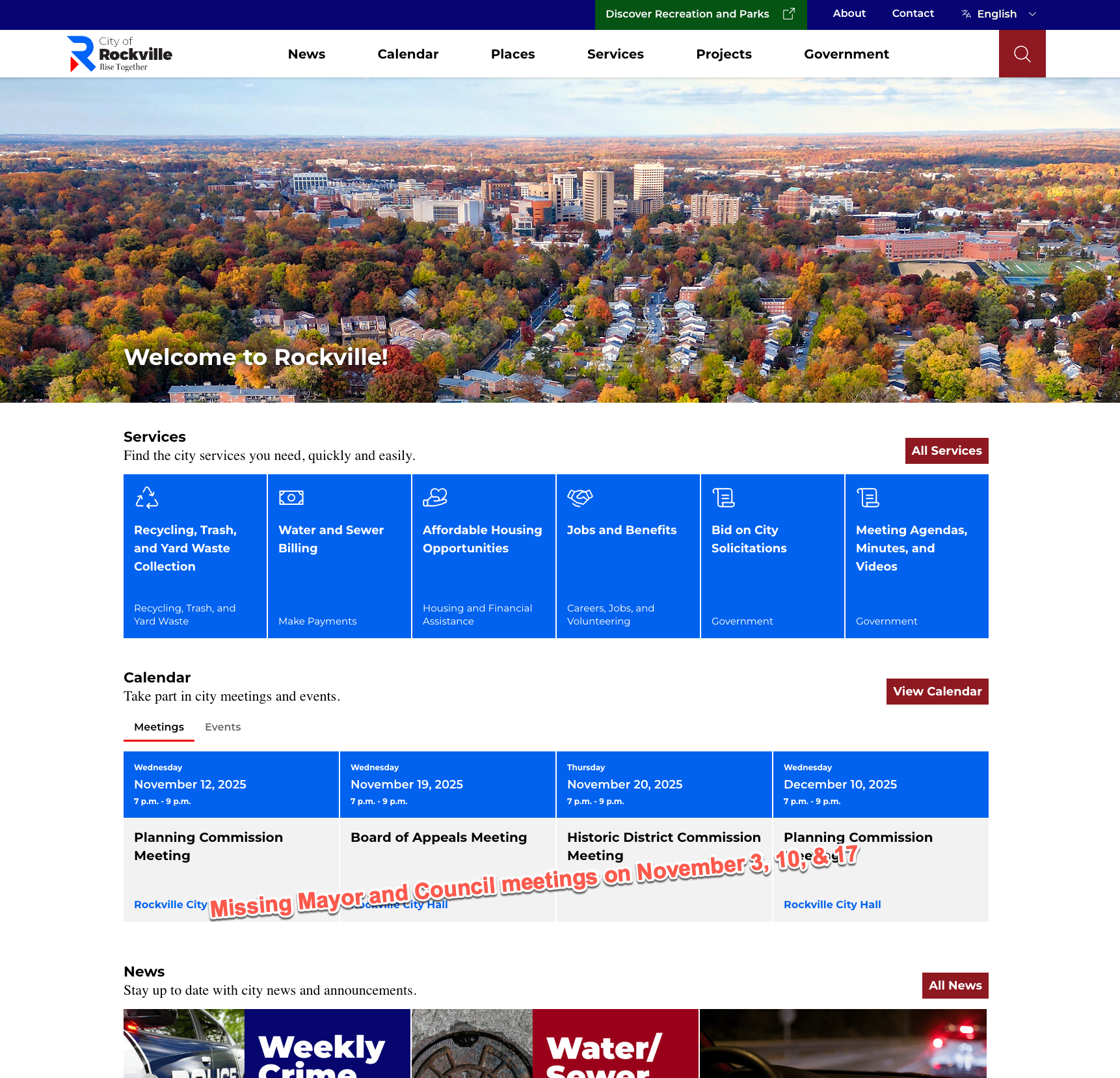
Rockville recently launched a redesigned city website with a fresh look and a more user-friendly layout. The home page now highlights key services—trash pickup, water billing, affordable housing, and city jobs—making it much easier for residents to find the information they use most often.
Unfortunately, the same can’t be said for the Mayor and Council page, which is far less intuitive and raises concerns about public access and transparency.
Continue reading →Council to Review Twinbrook School Plans, Legislative Priorities, and Arts Month
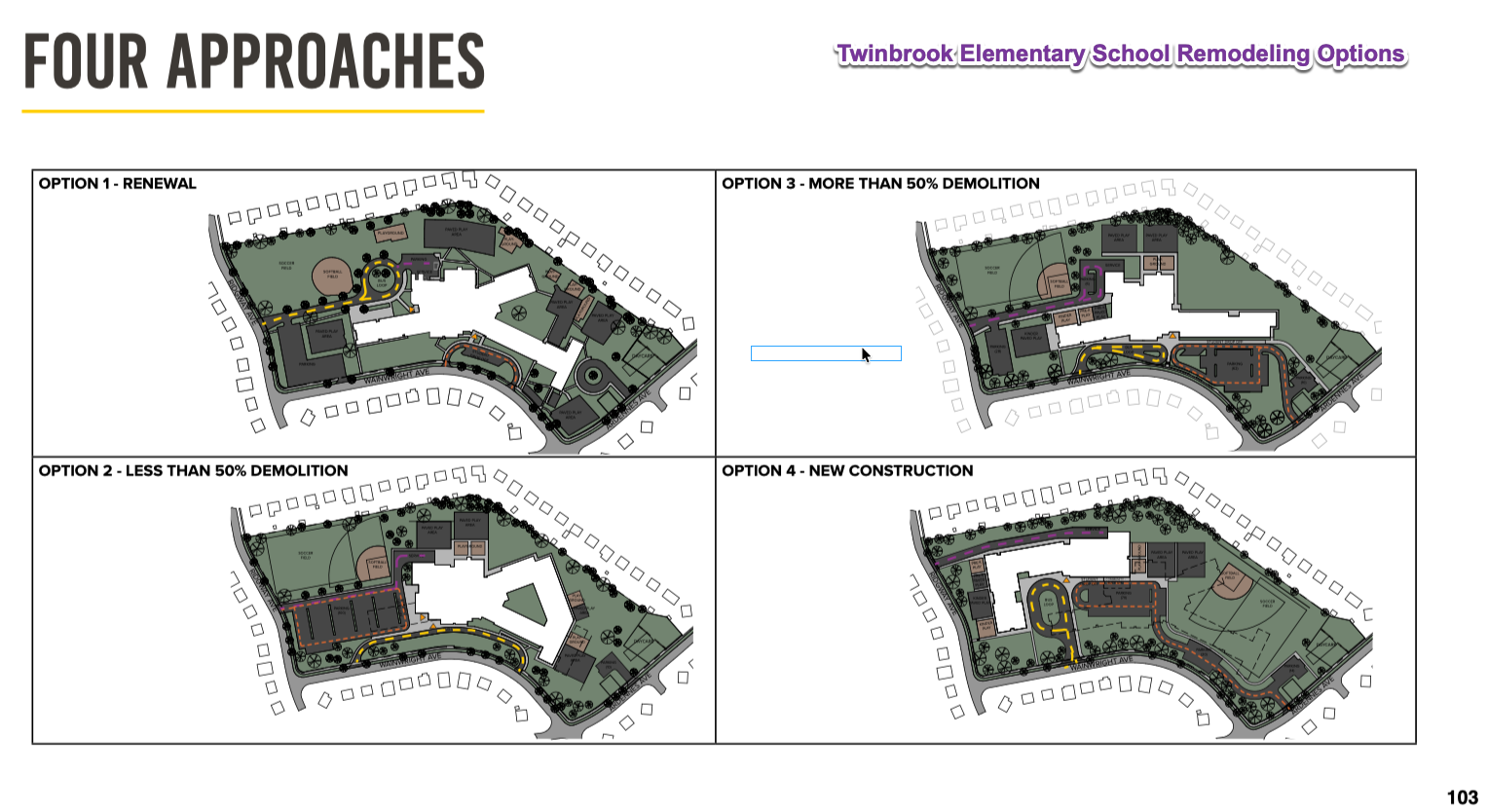
The Rockville Mayor and Council will meet on Monday, October 6, 2025, to discuss a wide range of topics—from arts and culture to historic preservation, state legislative priorities, and school planning. Several of these items directly affect Rockville neighborhoods, local businesses, and the city’s future development.
Proclamation: Arts and Humanities Month
(Agenda pages 32–37)
Rockville will declare October as Arts and Humanities Month, joining communities nationwide in recognizing the arts as vital to civic life and public well-being. The proclamation highlights the city’s ongoing commitment to culture through venues like the Glenview Mansion Art Gallery, the F. Scott Fitzgerald Theatre, and numerous workshops and performances throughout the month.
- This proclamation reinforces Rockville’s reputation as a cultural hub and affirms support for artists, nonprofits, and creative programming but symbolic proclamations rely on sustained investment to maintain visibility beyond the month’s events.
- Rockville can use this proclamation to advocate for local and state arts funding, strengthening its case for grants from the NEA or Maryland State Arts Council. Unfortunately, recent White House actions have curtailed or politicized programs at the National Endowment for the Arts, IMLS, and public media. Rockville’s consistent, nonpartisan approach to arts advocacy helps buffer local institutions against such national instability.
Historic District Commission FY25 Annual Report
(Agenda pages 65–82)
Continue reading →Rockville’s Rules of Decorum on Hold

Rockville’s Rules of Decorum are now hold to allow more time for study and review. At its Leadership Planning Meeting on Monday, September 29, 2025 at 8:30 am, the Mayor and Council reviewed the agenda for that evening and removed Item 11 Rules of Decorum and Protocol.
The meeting began with the City Manager reviewing the agenda and when he came to Item 11 Rules of Decorum, Councilmember Valeri asked that it be removed because it was not ready for “prime time.” She felt there was confusion about the legislative process, explained how policy is developed in the City of Rockville, and “hoped that this brief moment of educational background is helpful to our resident community—maybe at some point I will create an infographic or short animation to illustrate it ala Schoolhouse Rock.” Councilmember Van Grack concurred with removing the Rules of Decorum, noting it was only presented to Council on Friday and the Council and the public need more time for review and comment. Councilmember Shaw also concurred and noted that at the last meeting, a councilmember asked that “we move forward with this agenda item in haste and to have a draft by the next meeting.” She had concerns that rules of decorum could also act to silence opposition, as was done during the Civil Rights Movement. Councilmember Jackson concurred but recognized that while the item was added to the agenda late and there is insufficient time for review, it is not being rushed because Council has been discussing it for a long time. He wants to be sure that everyone who wishes to speak in the Council chamber feels comfortable, safe, and not intimidated by others. Mayor Ashton noted that Council has two goals: ensuring free speech and ensuring everyone feels safe to testify. She felt that the text is longer and more extensive than she anticipated and wanted to compare with other jurisdictions and solicit responses from the Human Rights Commission. The discussion concluded with Councilmember Valeri responding to Councilmember Shaw’s mention of the history of civil rights and that her great-grandfather, a journalist, was sentenced to a concentration camp in Greece because of his reporting and thus understands the value of free speech. The City Manager will reschedule a discussion on Rules of Decorum and Protocol for a future meeting in the next six months.
Even though it was removed from the agenda, several people voiced their concerns at Community Forum during the Mayor and Council meeting.
Know Your Rights at Rockville Council Meetings

At its September 29, 2026 meeting, the Rockville Mayor and Council are considering adopting new Rules of Decorum and Protocols to guide behavior at public meetings. These rules are designed to keep meetings orderly, respectful, and productive — but it’s equally important for residents to know what they can and cannot do when they participate.
What You’re Allowed to Do
- Attend any open meeting. Everyone is welcome, as long as space allows.
- Speak during Community Forum and public hearings. You’ll be given time to share your views.
- Criticize city policies, programs, and decisions. The resolution explicitly protects your right to disagree with the Mayor, Council, or staff.
- Raise issues that matter to you. Even if it’s not on the agenda, you can bring concerns to Community Forum.
What You’re Not Allowed to Do
- Disrupt the meeting. Shouting, chanting, or refusing to yield the floor are prohibited.
- Launch personal attacks. Criticism of policies is allowed, but abusive or threatening remarks directed at individuals are not.
- Exceed time limits. Each speaker gets a set amount of time, and going over can result in being cut off.
- Interrupt others. Just as Councilmembers are expected to wait their turn, so are members of the public.
How Rules Are Enforced
- The Mayor (or presiding officer) is responsible for keeping order.
- If rules are violated, you may be warned, asked to stop, or removed from the chamber if disruption continues.
Why It Matters
These rules aim to strike a balance between protecting free speech and ensuring that meetings remain safe and productive. Criticism of city government is protected, but everyone — Councilmembers, staff, and residents — is expected to participate respectfully.
Bottom line: You have the right to speak up at Council meetings, even to criticize policies and decisions. What’s not allowed is disrupting the meeting or targeting individuals with personal attacks.


