Council Seeks Community Input on Budget, Downtown Growth, and Reuse of King Farm
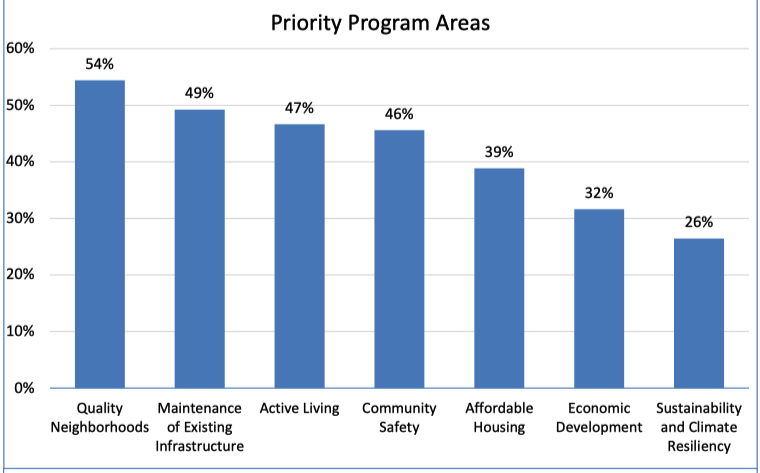
At its Monday, October 28, 2024 meeting, the Rockville Mayor and Council will discuss Fiscal Year 2026 budget, another hearing on the Town Center Master Plan, and a worksession for a master plan on the adaptive re-use of the King Farm Farmstead Park Complex. On the Consent Agenda (items approved without discussion) are funding emergency management facilities, energy-efficient lighting, office upgrades, and electricity supply contracts. Reminder: Council meetings now start at 6:30 pm.
This meeting is an important opportunity for you to stay informed and engaged with the decisions that shape our community.
Continue reading →Affordable Housing and Election Integrity: Residents Share Concerns with Council
The public comments during the Rockville City Council’s Community Forum on October 21, 2024, covered the following major topics:
- Enforcement of Campaign Laws: Several speakers, including Brigitta Mullican, Steven Weiner, and Bridget Newton, emphasized concerns over the enforcement of Rockville’s campaign regulations. They argued that a lack of consistent action on campaign violations could undermine trust in local election laws. These comments called for clearer standards and increased accountability for campaign rule violations. Next steps? The Council could direct the City Attorney to establish clear guidelines for when and how campaign violations will be addressed, possibly creating a review process for the Board of Supervisors of Election to report findings and suggest enforcement actions.
- Rent Stabilization and Housing Affordability: Numerous residents, such as Misha Clive, Grant Sams, and Wendy Murphy, urged the council to prioritize rent stabilization. They discussed the challenges of rising rent costs, particularly for renters on fixed incomes or with lower-wage jobs, and expressed concerns that the current lack of rent caps could displace long-term residents. The call for rent stabilization was framed as a measure to maintain Rockville’s diversity and accessibility. Next steps? At the same meeting, the Council held a work session on housing strategies.
- Election Integrity and Voter Access: Senator Cheryl Kagan provided comments focused on election integrity and reminded the community of available options for casting ballots securely in the upcoming elections. Her remarks aimed to dispel misinformation and highlighted her efforts in sponsoring election-related bills for improved municipal election oversight. Next steps? The Council could enhance outreach efforts to ensure residents understand their voting options and election security measures. Partnering with state or county election boards may provide additional support.
- Traffic and Speed Control on Major Roads: John Becker addressed issues regarding traffic safety, especially along Rockville Pike and East Jefferson Street. He advocated for the installation of speed cameras to enhance safety in residential areas, especially given the planned increases in residential development along these roads. Next steps? The Council could explore the installation of speed cameras or other traffic-calming measures on Rockville Pike, East Jefferson, and Viers Mill Road. A collaboration with the State Highway Administration to address these concerns would ensure safety for both current and future residents.
- Requests for Transparent Campaign Finance Records: There was also a response from council members, including Mayor Monique Ashton and Council Member Adam Van Grack, who clarified that they had not accepted any PAC donations, addressing comments about alleged developer influence on council decisions. Next steps? The Council might consider publishing more detailed campaign finance records or hosting an information session to clarify the council’s stance on developer influence. This could foster greater trust and show commitment to transparency.
These topics reflect a community deeply engaged in matters of governance, housing equity, and transparency.
Continue reading →Rockville Election Laws at Risk: Board Pushes for City Attorney Action
During the September 30, 2024 Rockville City Council meeting, two members of the Board of Supervisors of Elections, Robert Kurnick (Chair) and David Sklar, addressed the council to express serious concerns about the enforcement of the city’s election laws following the 2023 election.
Election Law Crisis
Kurnick emphasized that Rockville faces a crisis regarding its election laws. The city attorney has declined to enforce citations issued against candidates who violated campaign finance laws in the 2023 election. According to Kurnick, the rationale provided—that violations are not “ongoing” and therefore not enforceable—renders Rockville’s campaign finance laws essentially “unenforceable.” Kurnick urged the council to direct the city attorney to enforce these violations to maintain the integrity of the city’s election laws. Without enforcement, Kurnick warned, there would be no incentive for future candidates to comply with campaign finance regulations, leading to a breakdown in transparency.
Impact on Election Integrity
David Sklar, another member of the Board, echoed Kurnick’s concerns, stating that the decision not to enforce these laws undermines the entire election process. Sklar pointed out that the failure to hold violators accountable erodes the purpose of having campaign finance laws in the first place. He noted that the current approach could lead to candidates repeatedly violating election laws with no consequences, rendering the role of the Board of Supervisors of Elections meaningless. Sklar added that if the city continues down this path, he would resign from the Board, as there would be no reason to analyze campaign finance forms if the law itself is ignored.
Continue reading →Housing Affordability and Business Development Lead October 21 Agenda
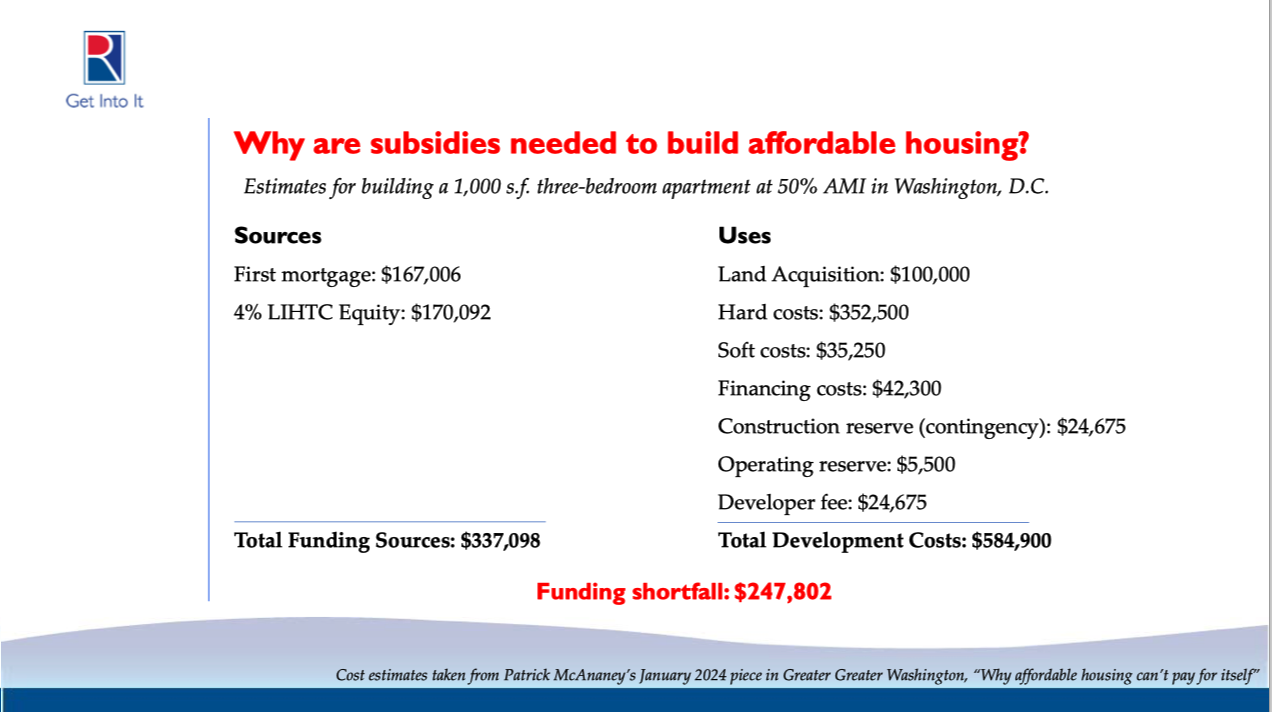
At its Monday, October 21, 2024 meeting, the Rockville Mayor and Council will discuss affordable housing strategies and alignment of priorities with Rockville Economic Development, Inc. (REDI). On the Consent Agenda (items approved without discussion) are the 2025 state legislative priorities, among others.
This meeting is an important opportunity for you to stay informed and engaged with the decisions that shape our community.
Key Agenda Items:
Affordable Housing Strategies (pages 11+). The City Council discussed new strategies to address Rockville’s housing affordability challenges. Key proposals include creating a dedicated Housing Opportunity Fund (HOF) with stable funding sources, such as fees on short-term rentals and flipped homes, and offering property tax abatements (PILOTs) to encourage affordable housing development. The Council also aims to reduce construction costs by prioritizing affordable housing on public land. However, the plan faces potential funding gaps, with no detailed estimates or timelines for implementation. Additionally, reliance on federal and state partnerships could delay progress if external funding sources are not readily available.
Business Development (33+). The Rockville City Council and the Rockville Economic Development, Inc. (REDI) Board will discuss strategies to boost key industries like life sciences, small-scale manufacturing, and green technology. REDI is prioritizing job creation and supporting local businesses, with plans to enhance Rockville’s status as a biotech hub and expand opportunities for small manufacturers. The discussion will also cover how to attract new investments and strengthen the local economy, aligning REDI’s $2.36 million budget to support these goals.
Continue reading →Rockville Council Discussed Financial Oversight, Emergency Preparedness, and 2025 Legislative Priorities at October 7 Meeting
Note: I’ve been out of town in August and September, so I’m doing a bit of catch-up on the Mayor and Council meetings, including this meeting from last week. The next meeting is October 21.
At its Monday, October 7, 2024 meeting, the Rockville Mayor and Council discussed Emergency Management and the 2025 Mayor and Council State Legislative Priorities. On the Consent Agenda (items approved without discussion) were agreements for on-call roofing services with three companies, totaling up to $4.5 million annually; a contract with Magnolia Plumbing, Inc., for stormwater facility maintenance, not exceeding $435,000 annually; and approval of a storm drain easement at Rockshire Village Center, among others. The Mayor and Council also received reports on Financial Advisory Board’s FY 2024 Annual Report and FY 2025 Action Plan.
Mayor and Council Meeting Schedule Changed on October 7: Meetings now begin a
half hour earlier at 6:30 p.m. Proclamations — official statements or declarations presented by a city’s mayor and council to recognize and honor specific events, causes or individuals — will be presented
from 5:30-6:30 p.m. before the first meeting of the month. The Mayor and Council drop-in, where the mayor and a councilmember meet with members of the public, will be held from 5:15-6:15 p.m. before
the second meeting of each month. More details in Rockville Reports (October 2024), page 3.
Key Agenda Items:
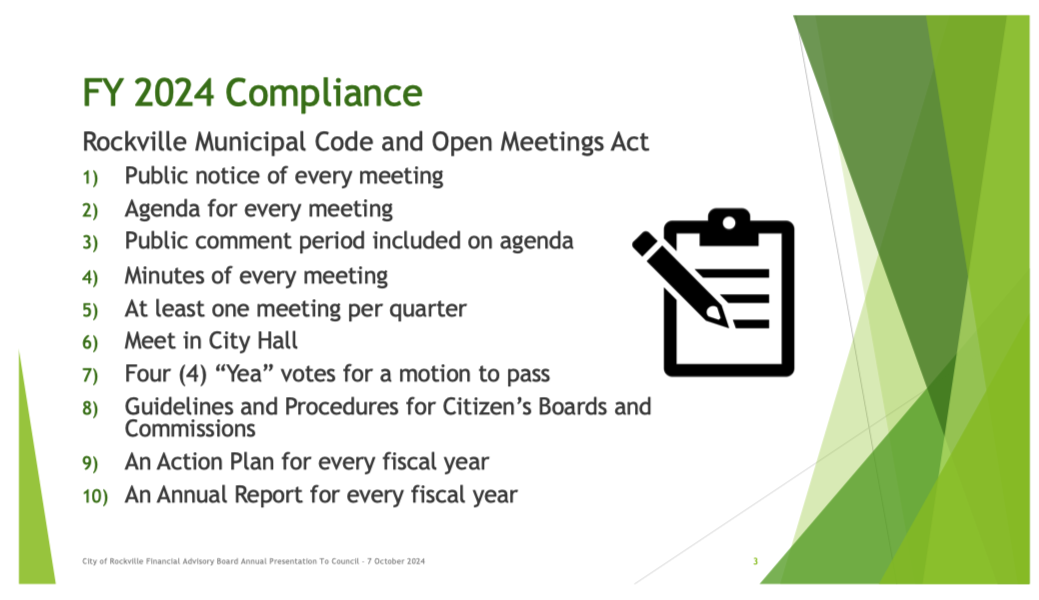
Financial Oversight and Policy Recommendations (pp 95-125). The Financial Advisory Board (FAB) presented its FY 2024 Annual Report and proposed FY 2025 Action Plan. The FAB plays a vital role in ensuring financial transparency and accountability for Rockville’s residents and businesses. Key accomplishments from FY 2024 include reviewing the City’s annual financial reports, assessing financial policies, and overseeing procurement practices. The FAB found no significant discrepancies in the City’s finances and recommended establishing an independent internal audit function to further enhance fiscal oversight. For FY 2025, the board will continue reviewing financial reports, monitor City-awarded grants, and evaluate revenue sources. The FAB will also focus on improving the City’s use of financial Key Performance Indicators (KPIs) to ensure Rockville’s finances remain healthy. These efforts aim to support informed financial planning and decision-making that benefits the entire Rockville community. BTW, this committee is among the best prepared and managed in the city, a model for others to follow.
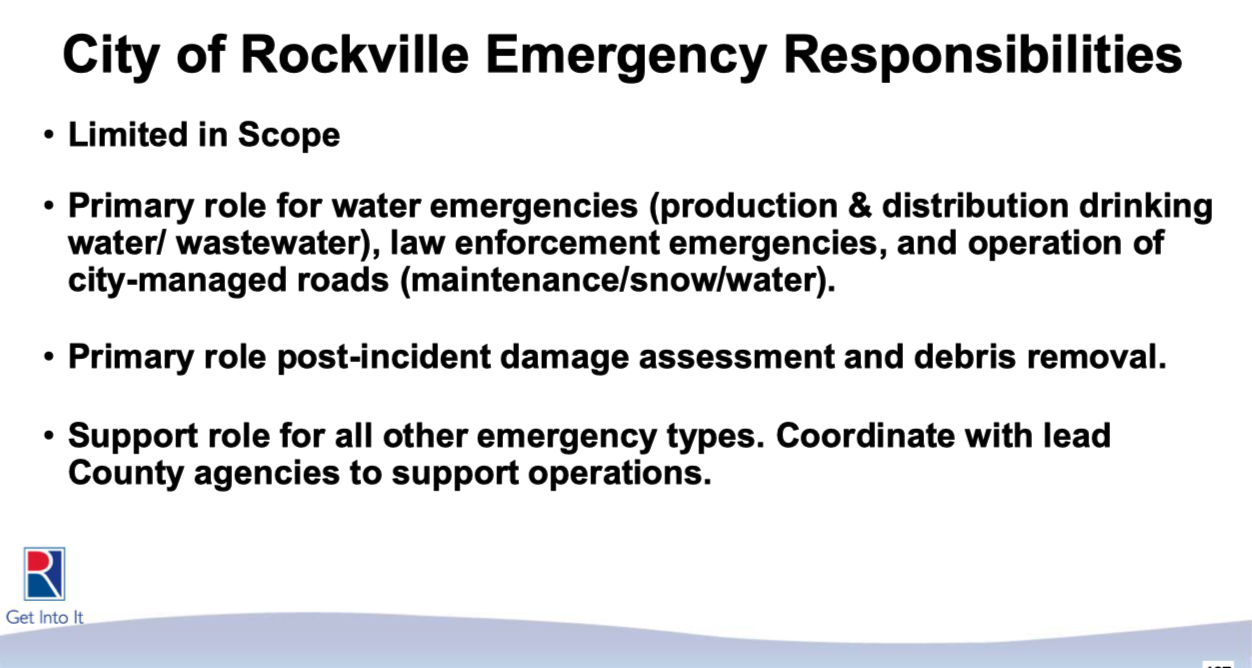
Emergency Preparedness (126-42). The City’s Emergency Management team highlighted key developments, including the completion of a Continuity of Operations Plan (COOP) that identifies 97 essential city functions and outlines strategies for dealing with potential disruptions. Rockville’s emergency responsibilities are closely integrated with Montgomery County’s Emergency Operations Plan, with the City playing a vital role in law enforcement, water supply, debris management, and damage assessment during emergencies. State law designates the county as the emergency management authority; the City of Rockville cannot declare a disaster and their authority is limited. A new Emergency Operations Center (EOC) is being developed at Taft Court, supported by federal funding, to improve coordination and response. Looking ahead, the City is finalizing its own Emergency Operations Plan, with a draft expected by December 2024.
State Legislative Priorities (143-50). The City of Rockville outlined its key priorities for the 2025 Maryland General Assembly. These legislative goals include advocating for the State Highway Administration to maintain sidewalks and bicycle pathways on state-owned roads and expanding the state property tax credit for low and moderate-income homeowners, including seniors, to help with rising living costs. Rockville will also work to preserve municipal highway user revenues (HUR) to maintain critical transportation infrastructure, which is at risk due to the state’s projected budget deficit. Rockville is also seeking funding for local projects, including the renovation of the Elwood Smith Community Center and the development of Talbot Street Park. In addition to these legislative efforts, the City is focused on ongoing support for education from birth to community college, pedestrian safety through Vision Zero initiatives, climate action, senior services, and more broadly on economic development, housing and zoning, and public safety and wellness.
How to Participate:
Attend in Person: The meeting will be held at City Hall, 111 Maryland Avenue (downtown, behind the Maryland District Courthouse). We encourage residents to attend and voice their opinions during Community Forum.
Watch Online: If you can’t make it in person, you can watch the live stream on the city’s website at https://www.rockvillemd.gov/157/Rockville-11.
Submit Comments: You can submit your comments or questions in advance by emailing MayorAndCouncil@RockvilleMD.gov by no later than 10:00 a.m. on the date of the meeting.
Your participation is crucial in shaping the future of our city. Whether you have specific concerns or just want to stay informed, we hope to see you at the meeting.
Stay Connected: For more updates on city council meetings and other local government news, subscribe to this blog. Your contact information is never shared.
Thank you for being an active and engaged member of our community. More details in the 160-page agenda packet are available at https://www.rockvillemd.gov/AgendaCenter/ViewFile/Agenda/_10072024-7299.
MoCoCool: An Eternal Dance and Beloved Pets
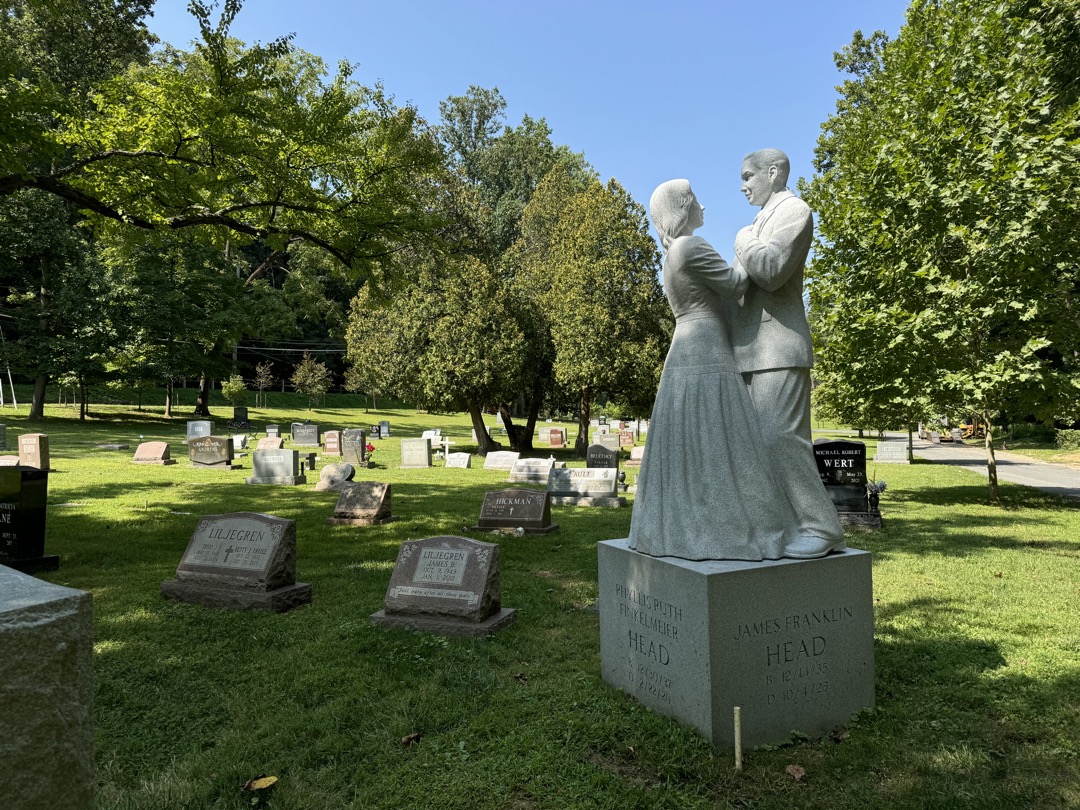

The historic Rockville Cemetery along Baltimore Road is one of our favorite spots to walk our dog. It’s often peaceful, with shady trees offering a cool retreat, and the names on the headstones serving as reminders of the many streets and places named after families who lived here for generations. The variety of headstones and memorials, spanning more than 250 years (yes, two hundred and fifty years!), adds to the charm and history of the area. And now, there are a couple of new additions that are well worth a visit.
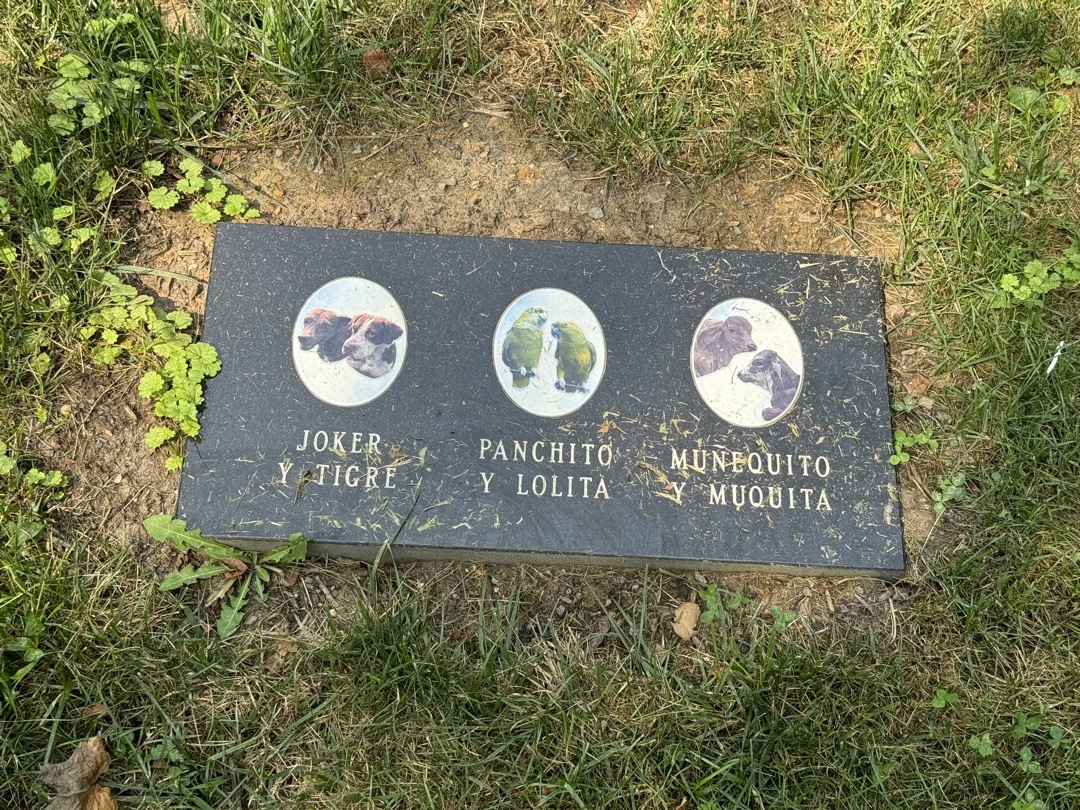
In the new lower section of the cemetery, you’ll find a stunning granite sculpture of a dancing couple. This extraordinary memorial honors Phyllis and James Head, forever captured in an eternal dance with each other. Nearby, be sure to check out the heart-shaped headstone for Columba Hernandez de Diaz, which even includes a special marker for her beloved pets!
Rockville Cemetery, one of our community’s oldest burial grounds, is nestled along a picturesque portion of Baltimore Road in the Twinbrook neighborhood of Rockville, adjacent to the Rockville Civic Center. This historic site is divided into two distinct sections: the upper, western part and the lower, eastern part, separated by age, a stream, and a striking change in elevation. With gravestones dating back to 1752 and continuing to the present day, the cemetery showcases a blend of a classic 19th-century rural cemetery and a mid-20th-century lawn-style cemetery. The entire property holds the distinction of being a designated Rockville Historic District, preserving its rich history for generations to come.
Whether you’re a history buff or just looking for a peaceful place to stroll, Rockville Cemetery offers a unique glimpse into the past and some truly beautiful monuments.
Rent Control and Rent Stabilization: Lessons from Germany
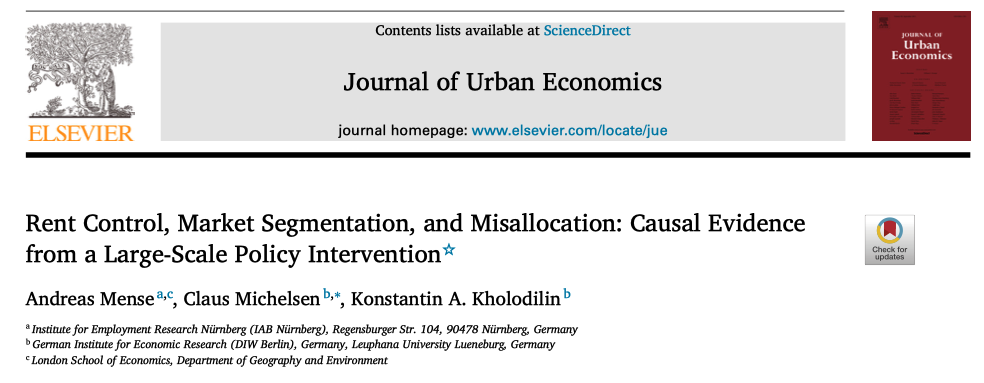
Rent control and rent stabilization are hot topics in housing policy debates in across the US due to rising rents, increased homelessness, and housing affordability crises. A recent study published in the Journal of Urban Economics analyzes rent control in Germany, helping Rockville residents and businesses understand how these policies impact renters, landlords, and the broader housing market.
What Are Rent Control and Rent Stabilization?
Rent control and rent stabilization are regulatory measures designed to keep housing affordable by capping rent increases. Rent control typically refers to stringent policies that freeze rents at a certain level, while rent stabilization allows for regulated, modest increases tied to inflation or other factors. These policies aim to protect tenants from sudden and significant rent hikes, providing housing stability and affordability. Keep in mind that policies affecting housing vary significantly by jurisdiction, so if you do a deep dive, it can quickly become complex and overwhelming as you mentally juggle all the pieces. This research looks at a specific situation, which may or may not fully apply to Rockville or MoCo, but does provide a sense of the issues that deserve consideration by the Mayor and Council.
Continue reading →Council Discussion Highlights Complexities of Rent Stabilization

The Rockville Mayor and Council meeting of July 8, 2024 caught my eye because it warned, “The following program contains explicit language. Viewer discretion is advised.” Of course, I had to watch. Near the end of the Community Forum, a speaker expressed his frustration with the City saying, “I hate all of you…and I hope you all get heat strokes” peppered with swearing. Mayor Ashton ably handled the uncomfortable situation by recognizing his anger, empathizing with his frustration, and then asking him to avoid swearing because the meeting should be appropriate for adults and children. The speaker apologized and the meeting moved on.
So what was causing this resident so much frustration? He was upset about the lack of air conditioning and the rent increase at BLVD 44, an apartment complex in Rockville Town Square. His concerns were part of nearly three hours of Community Forum, with dozens of speakers providing comments in anticipation of a presentation about rent stabilization listed later in the agenda. Because presentations do not allow public comments or questions, anyone with concerns had to express them via email in advance or by speaking during the Community Forum.
Many residents supported rent stabilization, highlighting its importance in preventing displacement and maintaining community stability, particularly for vulnerable populations like seniors and low-income families. Some speakers shared personal stories of financial struggles and the impact of rising rents on their lives.
Continue reading →Rockville Council Agenda Includes Major Forest Preservation Updates and Transportation Achievements
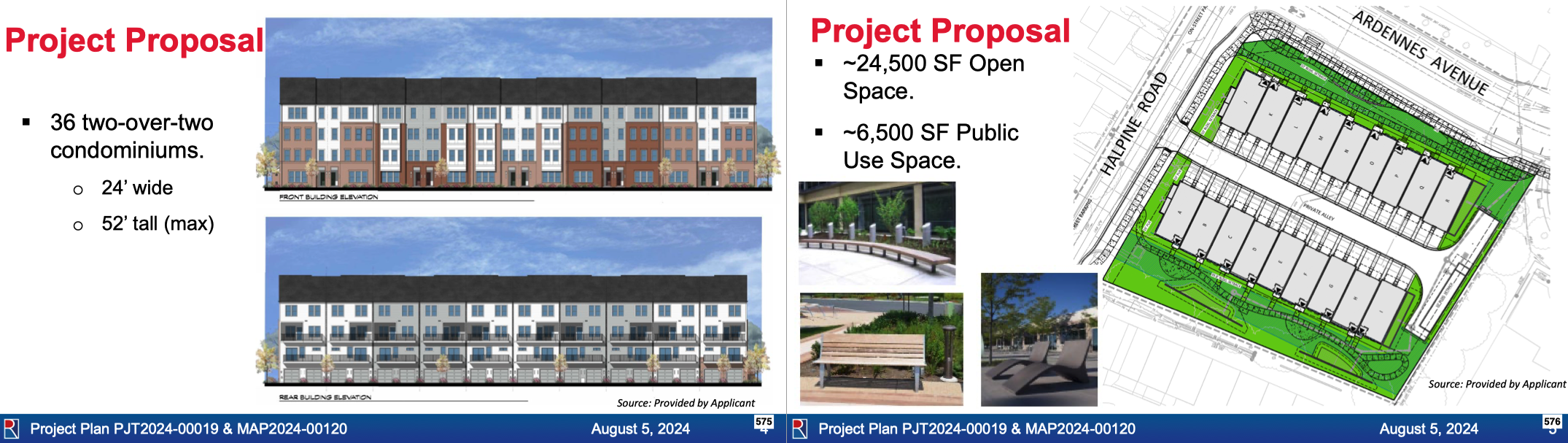
There’s something for everyone at the Monday, August 5, 2024 meeting of the Rockville Mayor and Council. They will discuss amendments to the Forest and Tree Preservation Ordinance; rezoning of 5906 Halpine Road to permit construction of residential units (with a floating zone amendment); a budget amendment; authorizing the sale of $27 million in bonds to fund capital improvements; and an acknowledgement of the lack of proper notice for the May 4, 2024 meeting. On the Consent Agenda (items approved without discussion) are subaward agreements, license agreements, a public art project in Town Center, MPDU Program Agreement for the Flats at Northside, and July 8 minutes approval (which was marked as having “explicit language”; I’ll have to see what that was about). The Mayor and Council will also receive reports on Vision Zero and from the Transportation and Mobility Commission.
In March 2023, Rockville’s Traffic and Transportation Commission was renamed the Transportation and Mobility Commission (TMC) with a broader focus on all transportation modes (p. 17+). The TMC provides guidance to the Mayor and Council on multimodal transportation, emphasizing economic development, sustainability, social activity, equity, and resilience. They’ve recommended budget priorities, intersection safety improvements, and updates to transportation plans. For 2024, they will focus on zoning ordinance recommendations, intersection improvements, and public communication. The TMC is committed to building an inclusive, equitable, and accessible transportation system for all Rockville residents.
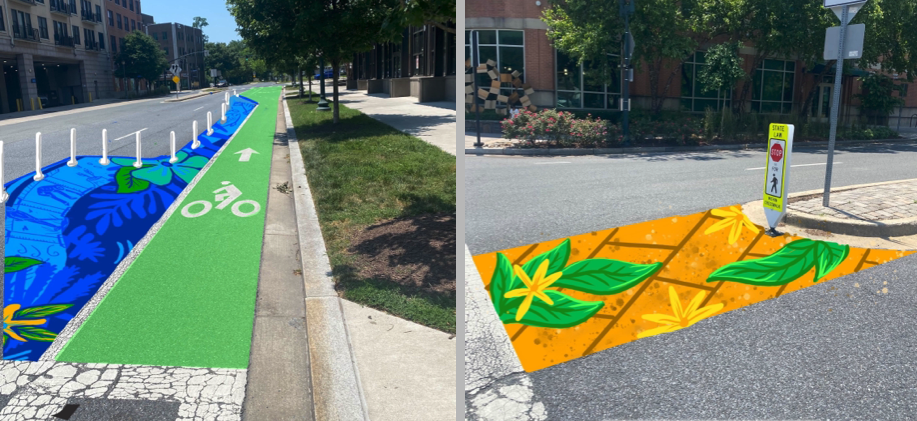
Rockville’s new Asphalt Art Project, funded by a $25,000 Bloomberg Philanthropies grant and an additional $15,000 from the city, aims to beautify Beall Avenue in the Town Center (187+). Set to start after summer roadway improvements, the project will feature artistic designs painted on the road surface between North Washington Street and Gibbs Street. The selected artists, Chalk Riot, will incorporate community survey results into their designs, highlighting local flora, fauna, and historical elements. The project not only aims to enhance aesthetic appeal but also to improve pedestrian safety and foster community pride. Completion is expected by late 2024.
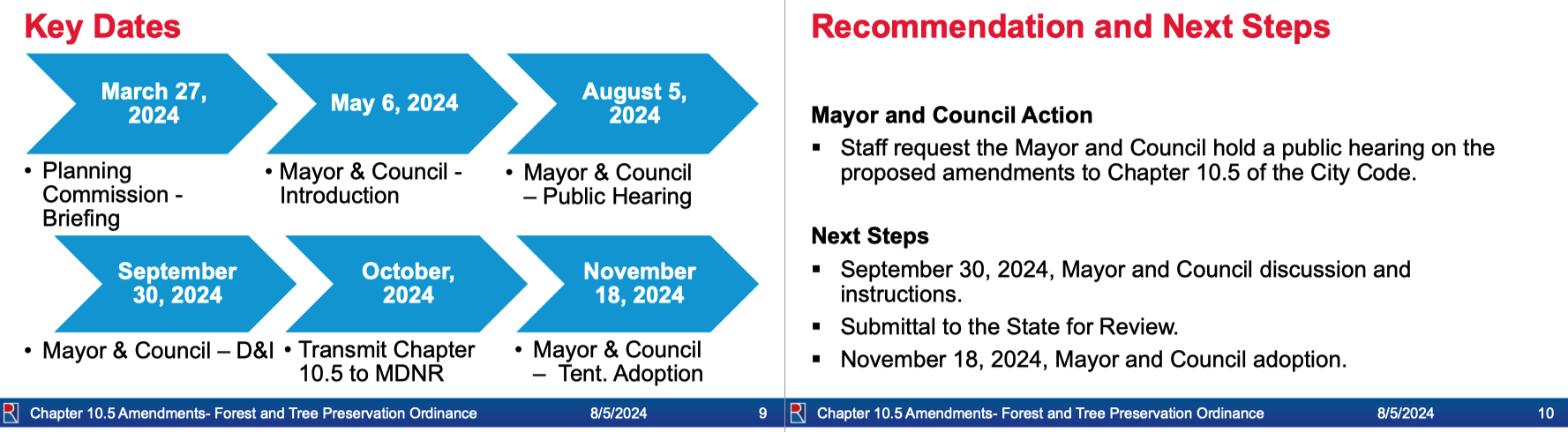
A public hearing will be held regarding proposed amendments to Chapter 10.5 of the City Code, the Forest and Tree Preservation Ordinance, to align with Maryland Senate Bill 526 and enhance local forestry practices (243+). These changes aim to increase tree canopy and streamline the ordinance’s administration. Key amendments include higher reforestation rates, expanded priority retention areas, and new public notice requirements for forest conservation plans. Additional updates involve improving the replacement standards for significant trees and expanding the use of fee-in-lieu funds for street tree plantings. The amendments support Rockville’s commitment to environmental stewardship and urban canopy preservation, promoting a greener, more resilient community.
In addition to need to align with state law, there are concerns about using non-native tree species in city planting projects. The Forest and Tree Preservation Ordinance currently prioritizes native trees for reforestation and afforestation, but staff flexibility allows for the use of non-native species when urban conditions necessitate. While native trees support local biodiversity and are well-adapted to the environment, they can present challenges in urban settings, such as maintenance issues and susceptibility to pests. Non-native trees are often better suited for urban conditions. If you have thoughts, share your thoughts for this public hearing in person or by email (see below).
The Mayor and Council are conducting hybrid meetings. If you wish to submit comments in writing for Community Forum or Public Hearings, please email the comments to MayorAndCouncil@RockvilleMD.gov by no later than 10:00 a.m. on the date of the meeting.
More details in the 663-page agenda packet are available at https://www.rockvillemd.gov/AgendaCenter/ViewFile/Agenda/_08052024-7248.
Unlawful Meeting: Rockville Mayor and Council Fails to Notify Public

Today the Maryland Open Meetings Compliance Board determined that the Rockville Mayor and Council violated the Open Meetings Act by failing to provide reasonable advance notice of the meeting held on Friday, May 24, 2024. During this ten-minute meeting, the City Council approved two significant items—an agreement related to the development of Twinbrook Commons and the appointment of an Acting City Manager—but had posted and altered the agenda just the day prior, deliberately omitting the appointment of the Acting City Manager.
The Compliance Board emphasized that the Mayor and Council [as well as any other city commission], “may not omit an item from the agenda that the body knows, at the time the agenda is made public, that the body will discuss at the meeting. Nor should a body deliberately delay its decisions about what items it will discuss at a meeting, in order to avoid disclosing those items to the public on an agenda.”
Back in May when this began, I was surprised by the meeting’s timing and the incomplete agenda. Shortly after, it became clear that the Council had appointed Barack Matite as Acting City Manager as a last-minute addition to the agenda, prompting me to file a complaint with the Open Meetings Compliance Board, as follows:
- Lack of Adequate Public Notice: The resolution to appoint a new City Manager was introduced at the meeting’s start, without being listed on the public agenda posted on May 23, 2024. This deprived residents of the opportunity to prepare for and engage in the decision-making process.
- Unusual Meeting Time: The meeting took place on a Friday morning, deviating from the regular Monday night sessions. This irregular timing likely hindered public participation, as many residents were either unaware or unable to attend due to work or other commitments.
- Delayed Posting of Revised Agenda: The revised agenda, which included the Acting City Manager’s appointment, was posted at 10:24 AM, after the meeting had ended. This delay violated principles of transparency and open governance by preventing timely public access to crucial information.
- Introduction of New Agenda Item: Mayor Monique Ashton introduced the resolution to appoint the Deputy City Manager as Acting City Manager during the meeting without prior public notice. The original agenda listed only one item, the Twinbrook Quarter development agreement, making the sudden addition a breach of transparency standards.
Given the City’s prior violations of the Open Meetings Act, it is crucial to remind the new Council of their responsibilities to voters and to set clear expectations for government transparency. Despite the presence of experienced members, including an attorney, community activist, and a federal government executive, these issues persist (and if you read the City’s response to my complaint, it seems that Mayor Ashton isn’t helping). Considering how many times violations have happened, someone keeps giving the Mayor and Council poor advice.
Moving forward, the Mayor is required to address this issue in a public meeting and outline measures to prevent future occurrences. I strongly urge all members of Council and City Commissions to review the Open Meetings Act to become personally familiar with the requirements and establish better policies and procedures. Additionally, there have been reports of unannounced “meetings before the meeting,” which are only permissible under specific conditions. On July 1, I requested further details under the Maryland Public Information Act to ensure compliance, but no response has been provided yet by the City.
For more details, please refer to the Open Meetings Commission’s decision dated July 29 and the City’s explanation on June 27.

 Max for Rockville