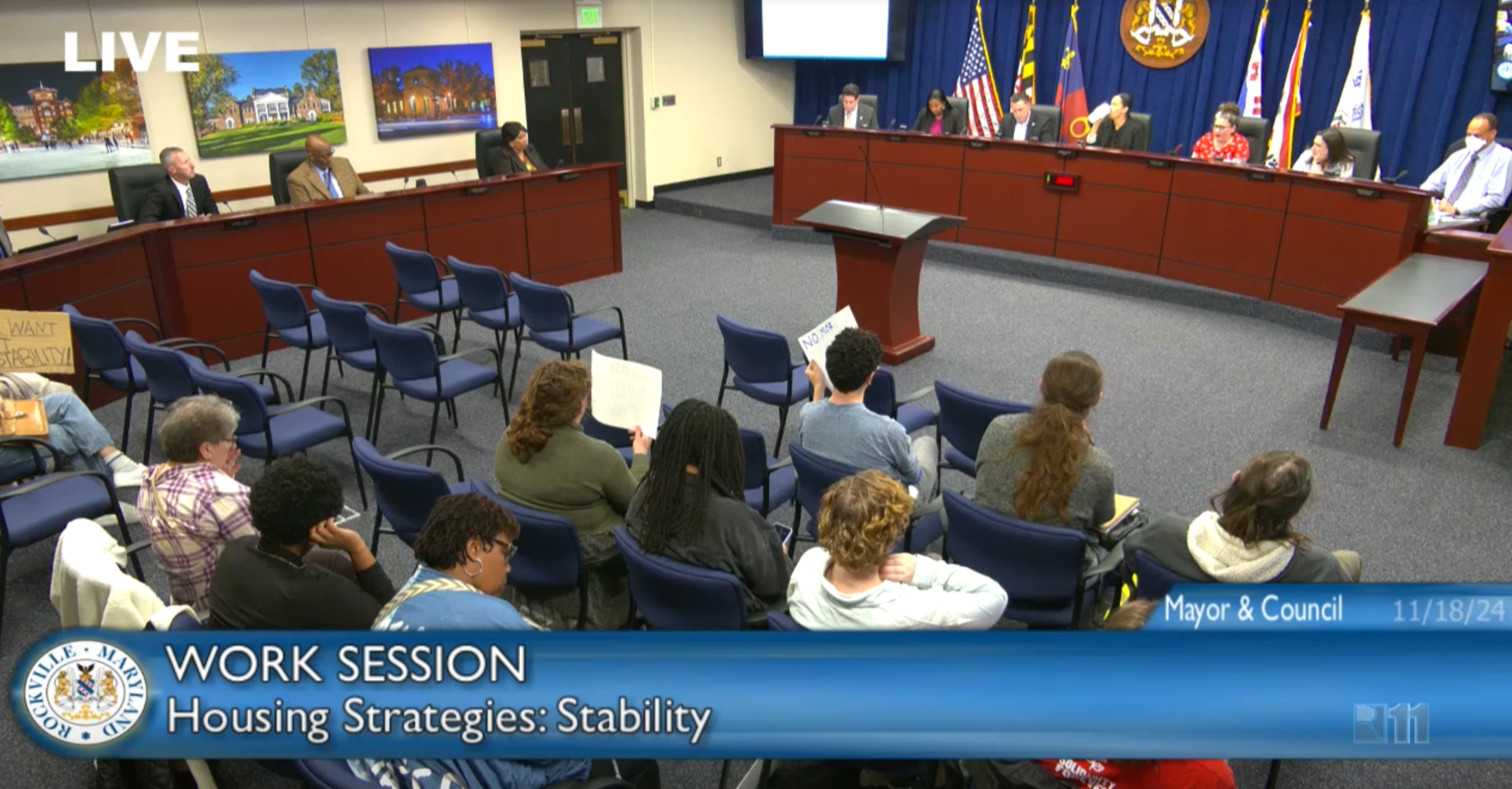
Housing stability is a cornerstone of a thriving and inclusive community. On November 18, 2024, the Rockville City Council convened a critical worksession to address housing stability—a top priority for city leaders. This third installment in a series of housing-focused sessions followed discussions on supply and subsidy strategies, and emphasized the importance of protecting renters, preserving affordable housing, and ensuring fairness in the city’s housing policies. Here, we outline the key themes, challenges, and opportunities that emerged from the session, offering a comprehensive view for residents and business owners alike.
Tenant Protections Take Center Stage
One of the most pressing topics discussed was the need for stronger tenant protections. Councilmembers widely supported the creation of a Rockville Renter Bill of Rights, a document designed to empower renters by providing clear, accessible information on rental histories, fees, and code violations. The document would also be translated into multiple languages, ensuring inclusivity for Rockville’s diverse community.
Several councilmembers emphasized transparency as a cornerstone of tenant protections. For example, landlords would be required to disclose not only the rent history of individual units but also trends across their properties. Such measures aim to stabilize rent increases through informed decision-making by tenants while fostering accountability among landlords.
Updating City Code Chapter 18
Chapter 18 of the Rockville City Code, which governs rental facilities and landlord-tenant relations, is set for a comprehensive rewrite. This effort aims to clarify responsibilities, enhance tenant safeguards, and address ambiguous areas that have led to disputes. Proposed changes include regulating excessive fees—such as those for parking, pets, and mail services—and aligning local policies with state legislation like the recently passed Maryland Renters’ Rights Bill.
Additionally, some councilmembers highlighted the importance of including emergency protections in the updated code. For instance, ensuring access to air conditioning during extreme weather was cited as a critical measure, particularly for vulnerable populations such as seniors and individuals with health conditions.

Rent Stabilization Sparks Debate
Rent stabilization remains a contentious issue. While some councilmembers advocate for revisiting hard caps on rent increases, others suggest leveraging market forces through enhanced transparency. Both sides agree, however, that the housing crisis demands a multifaceted approach.
As Councilmember Shaw noted, “Rent always goes up, and we need every tool in our toolbox to address this crisis.” The council acknowledged the tension between stabilizing rents for existing residents and attracting new renters, a challenge that requires balancing immediate relief with long-term solutions.
Preserving and Expanding Affordable Housing
The council explored several strategies to preserve and expand affordable housing in Rockville. A proposed Affordable Housing Preservation Plan would identify at-risk properties, including naturally occurring affordable housing (NOAH), and deploy subsidies to maintain affordability (example from Montgomery County). Partnerships with organizations like Rockville Housing Enterprises are expected to play a key role in acquiring and preserving these properties.
Another innovative proposal involves creating a “Right of Return” policy for tenants displaced by redevelopment. This measure would prioritize affordable units for previous residents, ensuring that redevelopment does not displace vulnerable populations permanently.
Engaging Property Owners and Landlords
While tenant protections took center stage, the council recognized the importance of engaging property owners and landlords. However, the challenges landlords face—such as rising maintenance costs and the complexities of balancing affordability with profitability—were not deeply addressed.
Developing forums or surveys to gather landlord input could help bridge this gap, fostering collaboration and ensuring that policies are both equitable and practical. Incentives such as tax breaks or low-interest loans for maintaining affordable units could also encourage landlord participation in city programs.
Sustainability of Subsidies
Funding housing stability initiatives remains a critical concern. While subsidies are widely supported, the city must identify sustainable funding sources. Suggestions include modest property tax increases or reallocating existing resources, but these ideas require further exploration.
Councilmembers also emphasized the need to prioritize subsidies for those most in need. Expanding programs like the city’s home repair and rehabilitation initiative, currently funded through federal Community Development Block Grants, was cited as a way to support low- and moderate-income homeowners.
Equity and Inclusion in Housing Policies
Ensuring equity in housing policies was a recurring theme. Councilmembers called for disaggregating housing data by demographics, such as race and income, to identify disparities and better target interventions. Vulnerable populations, including seniors, disabled individuals, and historically excluded communities, were emphasized as priorities for housing stability efforts.
Councilmember Jackson highlighted the need to support homeowners alongside renters, particularly those aging in place or facing financial challenges. Expanding resources for these groups could help address gaps in the city’s current housing strategy.
Partnerships and Community Engagement
Strengthening partnerships with state, federal, and nonprofit organizations was identified as key to advancing housing stability. Advocacy for just-cause eviction protections at the state level and enhanced collaboration with groups like the Renters Alliance were among the proposed measures.
The council also stressed the importance of active community engagement. Outreach efforts must include not only tenants but also landlords and property managers, ensuring that all stakeholders have a voice in shaping Rockville’s housing future. Innovative approaches, such as town halls or digital forums, could improve accessibility and participation.
Looking Ahead
As Rockville grapples with the complexities of housing stability, the council has outlined a robust agenda for action. From updating Chapter 18 to exploring new subsidies and partnerships, the strategies discussed reflect a commitment to addressing the housing crisis head-on. However, achieving these goals will require collaboration, innovation, and a balanced approach that considers the needs of both tenants and property owners.
Rockville residents and business owners have a vital role to play in this process. By staying informed, participating in public forums, and sharing their perspectives, they can help shape policies that create a more stable, equitable housing landscape for all. Together, we can ensure that Rockville remains a vibrant and inclusive community for years to come.

 Max for Rockville